
A bit less mileage than before, maybe a strange hesitation when you accelerate, or that worry in the back of your mind about whether this new fuel is going to mess with your old engine. That’s exactly what’s buzzing in garages, family WhatsApp groups, and those roadside chai stalls all over India right now. We’ve crossed the E20 mark — 20% ethanol blended into petrol — faster than planned, which sounds great on paper. But now everyone’s talking about jumping to E25, E27, even higher blends, and dreaming of flex-fuel like E85. It’s got a lot of us regular folks feeling uneasy, and honestly, for good reason.
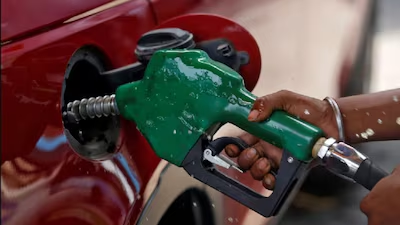
India’s been on this ethanol ride for a while, and you can see why the government’s pushing it. We’re hooked on imported crude oil, shelling out crazy amounts every year that could be used for schools or hospitals instead. Mixing in ethanol made from sugarcane, maize, and other stuff helps cut that import bill, gives farmers extra income, and supposedly cleans up the air a bit. They’ve already saved a ton of foreign exchange, paid out good money to rural folks, and blending rates are climbing. Petrol prices are volatile with all the global mess, so reducing dependence makes sense. Ministers have been clear about going beyond 20% in phases. On the surface, it’s smart energy security.
But let’s be real — it’s not all smooth sailing for the guy or girl actually driving on our roads. Most vehicles here, especially the ones from before the last few years, weren’t really designed for high ethanol mixes. People are complaining about mileage dropping 5-10% or more, rough starts in the morning, idling issues, and surprise repair bills. Two-wheelers and older cars are hit hardest. I’ve seen posts and videos where folks are straight-up frustrated, some even saying skip the blend or give us pure petrol options. It’s not just noise — surveys and mechanic chats back it up. The rollout felt rushed to many, leaving a lot of us unprepared.
Then come the bigger headaches that keep experts up at night. Food versus fuel debate is huge. Push too hard and food prices could spike, land use gets tricky, and farmers might face tough choices. On the environment side, while cars might puff out less at the tailpipe, the full cycle — growing the crop, fertilisers, processing — isn’t always as green as promised. If it leads to more intensive farming or clearing new areas, the gains fade. And with India’s fuel demand set to keep growing, scaling this without messing up basics like water and food security is no joke.
Car and bike makers are in a scramble too. Newer models under BS6 norms handle it better, but retrofitting millions of older vehicles? That’s expensive, and middle-class families aren’t exactly rolling in cash for engine swaps or upgrades. Petrol pumps need changes for different blends, adding costs and headaches. The speed of going beyond E20 caught a lot of the system off guard — consumer awareness, spare parts availability, everything. It’s not that ethanol itself is evil. Plenty of places use it successfully. But when policy races ahead of practical realities, everyday people feel the pinch first.
This is where Brazil pops up as the story we should be studying closely. They’ve been deep into sugarcane ethanol since the 1970s oil crisis. Their Proálcool program was a massive government bet — subsidies, mandates, big investments. At one point, almost every new car could run on straight ethanol. They hit walls too: oil prices dropped, shortages happened, people got fed up and switched back. But instead of doubling down blindly, they got clever. Yields went up through better tech, the industry became competitive, and they balanced it over decades. Today, a huge part of their fleet is flex, ethanol powers a big chunk of transport, and it supports farmers without completely screwing food supplies.
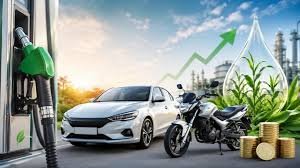
What Brazil did right wasn’t some overnight miracle. They poured money into research, built supply chains that responded to market signals rather than just top-down orders, and gave consumers real choices. They focused on productive lands, improved farming practices, and adjusted policies when things went sideways.
Don’t get me wrong, the goals here are solid — less oil dependence, happier farmers, cleaner air where it counts. But if we ignore the real worries — mileage loss, vehicle durability, rural impacts — we risk turning people off the whole idea. Picture this instead: fuel stations offering choices based on what your vehicle can handle, flex-fuel cars becoming normal and not premium, production that truly respects food and environment balance. Brazil shows it’s doable when you take time, invest smartly, and treat it as a partnership with people, not just a target on a chart.
As someone who fills up like everyone else and chats with folks dealing with the same daily grind, I really hope the folks in charge pause, fix the immediate pains with maybe some warranties or incentives for upgrades, build the ecosystem properly, and pull those Brazilian lessons in thoughtfully. Lifecycle emissions improved, and the whole thing became eco friendly enough to last. India could scrounge a lot from this playbook: roll out flex-fuel tech faster and make it affordable.
Sources:
- Reports from The Indian Express, Reuters, and government updates on E20 (2024-2026)
- BBC and Context News on ground-level driver experiences and concerns
- IEA, NITI Aayog documents, and S&P Global on India’s biofuel roadmap
- Wikipedia summaries, academic papers, and Autocar India features on Brazil’s long ethanol journey
- Expert views from energy analysts and industry forums in recent years