
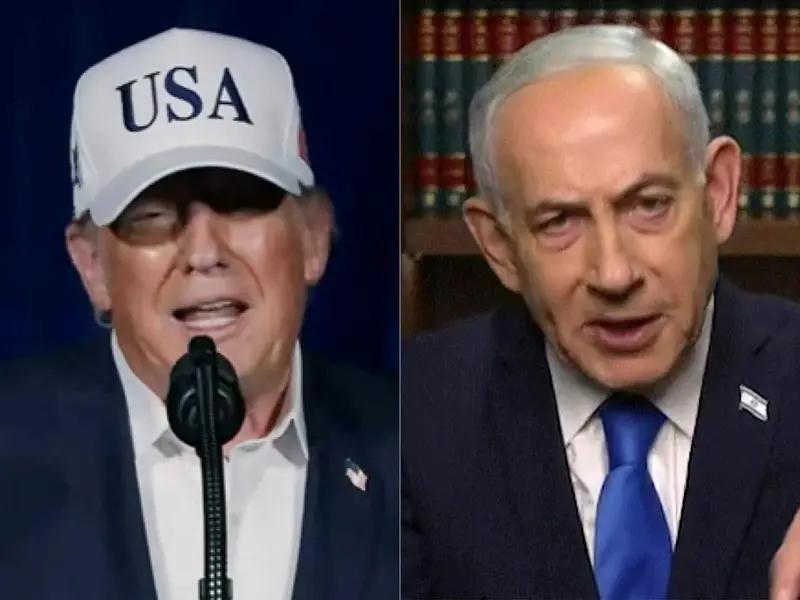
Benjamin Netanyahu came out today and put it plain: the direct back-and-forth with Iran is on hold right now. The missiles stopped flying, at least for the moment. But he didn’t leave any room for doubt—he straight up said if Iran comes at them again, Israel will hit back with real force. No games.
Thank goodness most of them got knocked down by the Iron Dome and the other defense systems. Sirens went off in Tel Aviv and other places, people scrambling to shelters like they’ve had to do way too many times before. No major damage or big casualties on the Israeli side, which feels like the only bit of good news in all this.
Israel hit back, of course. They targeted military sites inside Iran—radar places, launchers, and even a petrochemical plant they say was helping with missile work. Again, nothing that turned into a full disaster with tons of deaths reported, but it was enough to say, “We see you, and we can reach you.” Then Netanyahu drops this recorded message. He sounds steady, the way he always does, explaining that the fighting halted because Iran pulled back after feeling the response. But he looks right at you and says something like: if that regime makes the mistake of attacking us again, Israel will respond with force. He also pointed out that both Iran and Hezbollah are weaker than they used to be. Classic Bibi—tough, strategic, not giving an inch.
Back in late February, things escalated bad—strikes on Iran’s nuclear stuff, military bases, the whole thing. It cost lives, displaced families by the thousands, messed with oil shipping through the Strait of Hormuz, and left the whole region raw. April brought a shaky ceasefire, with Trump and others leaning hard on talks to try and cool it down. But peace here is always hanging by a thread. Hezbollah in Lebanon kept things hot with rockets and clashes, and when Israel moved in Beirut’s southern suburbs, Iran stepped in as the big backer. That’s how we got here.
I’ve been reading the updates, watching the videos of empty streets during alerts, hearing people on the ground just sounding worn out. In Israel, it’s years of this cycle—kids knowing the sound of sirens like it’s normal, parents checking apps constantly, that low-level anxiety that never really leaves. Over in Iran, their state media called the missile strike a necessary reply, especially tied to what’s happening with Hezbollah. They’re trying to show strength to their own folks dealing with sanctions and daily struggles. Hezbollah itself is still out there, not fully on board with any ceasefire ideas, keeping the pressure on Israel’s northern border. It’s all connected in this exhausting web of allies and old grudges.
Trump’s in the middle of it too, like always. Reports say he called Netanyahu, pushing him to hold off on anything bigger because they’re close to some diplomatic opening. He even told folks in the press that he’s the one steering things, not Bibi. U.S. official mentioned that conversation helped nudge things toward this pause. Iran, for their part, basically said “mission accomplished” and stepped back. Both sides drawing a line and breathing for a minute.
Sitting with this, it hits different when you think about the regular people. Families in Haifa or Jerusalem just trying to get through the day, maybe sending kids to school wondering if another alert will come. Folks in Tehran going about life under tough conditions, hearing their leaders talk tough while prices rise and opportunities shrink. The humanitarian side is rough—aid groups calling for real help, not just these short stops in the fighting. Markets got a little nervous with oil prices twitching, but it hasn’t blown up yet. Diplomats are probably pulling all-nighters trying to turn this pause into something that lasts. Analysts I follow are calling it smart brinkmanship. Israel showed they can strike deep and their defenses work. Iran proved they won’t stay silent when their side gets hit.
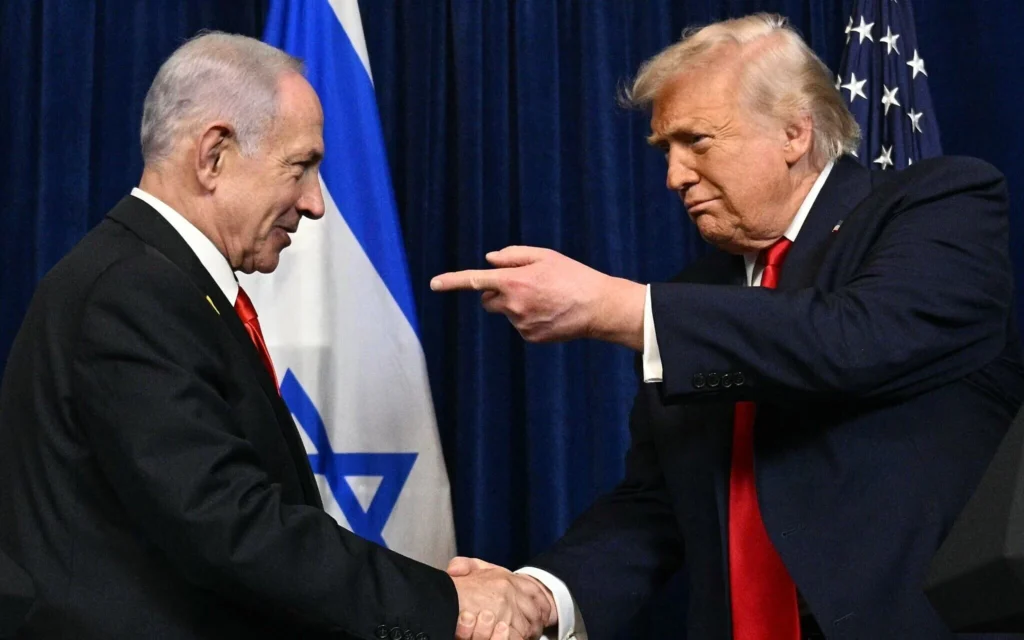
He wrapped up emphasizing Israel’s strength and resolve. That’s his way—rallying his people, reminding everyone that Iran might be down but they’re still a threat through groups like Hezbollah. By naming the halt, Israel gets a chance to regroup, talk more with the U.S., and stay ready. Iran gets to save face, saying they responded and finished what they needed to. It’s the kind of calculated move you see in these long, complicated conflicts.
History in West Asia isn’t full of happy endings. One wrong move, one rocket that slips through, and it could ignite again fast. Hezbollah’s actions keep feeding the fire. Trump’s calls might help hold it together short-term, but trust is thin on all sides.
How these big decisions in fancy rooms end up touching everyday lives so deeply—lost family members, homes damaged, kids growing up too fast in uncertainty. The pause right now feels like everyone taking a collective deep breath. Maybe, just maybe, the talks can catch up and build on it.
Netanyahu’s vow to respond with force isn’t just talk. It comes from everything they’ve been through. At the same time, you sense both sides know a bigger war helps nobody right now. So here we are—direct fighting with Iran quiet for the moment.
Sources:
The Hindu live updates (June 8, 2026), Associated Press, BBC News, New York Times, Reuters, Times of Israel, Al Jazeera, NPR, and public official statements and reports.