
What’s happening between India and Nepal. It’s not some big lecture, we’re like neighbors across the fence talking about that old family dispute that’s been going on forever. Know how it is with us and Nepal – same food, same gods, same mountains watching over both sides. But borders? Man, they get complicated.
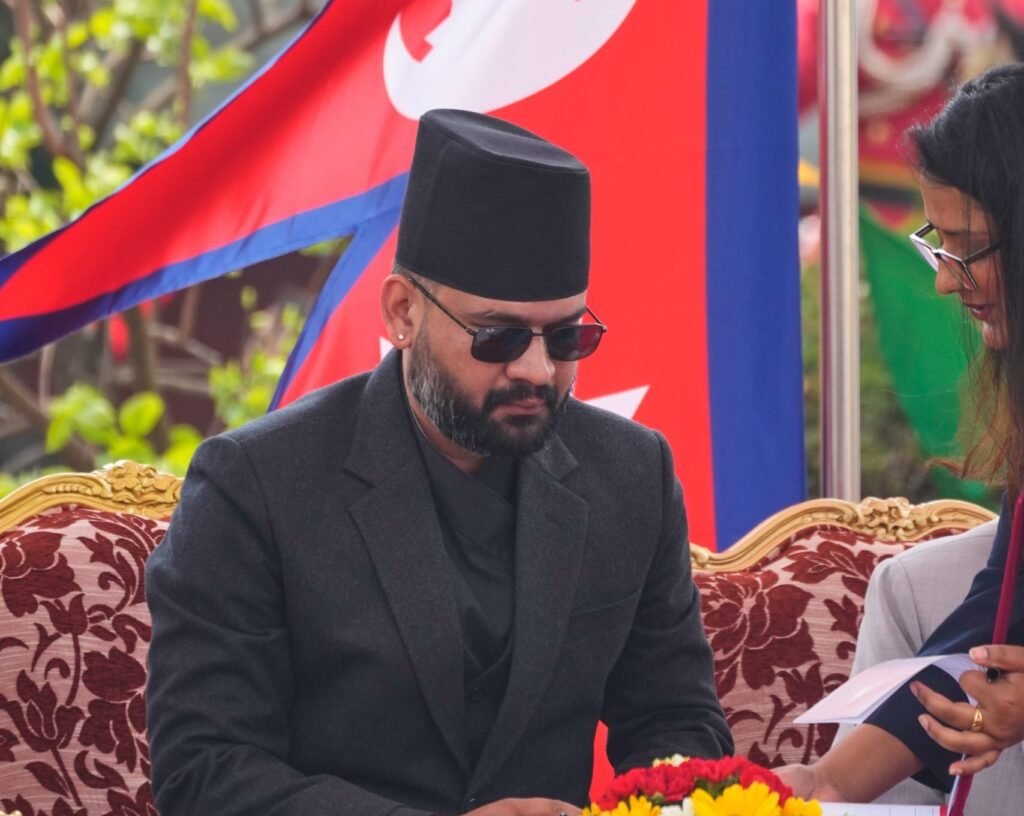
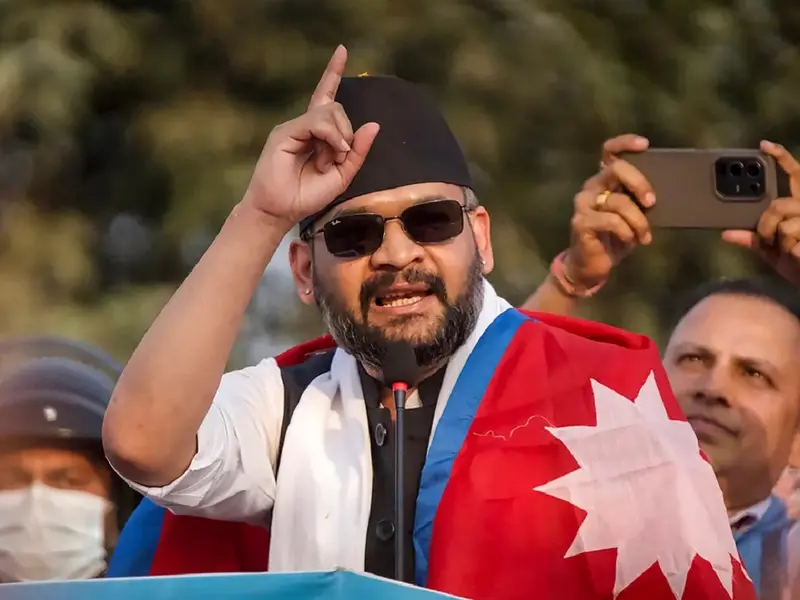
So, Balendra Shah, the young guy they call Balen, who’s the new Prime Minister of Nepal, he stood up in their parliament the other day and dropped something that made a lot of us pause. He basically said, “Look, it’s not just India that’s crossed lines here and there – we’ve done it too.” Yeah, he admitted Nepal has encroached on Indian territory in some places. Learned about it yesterday, and honestly, it felt different from the usual back and forth we hear on TV.
Balen is this 35-year-old former mayor of Kathmandu, used to be a rapper or something, straight shooter type. Not your typical old-school politician. He was answering questions in the House around May 31, and the opposition was pushing him hard on the usual hot spots – Kalapani, Lipulekh, Limpiyadhura, those areas up in the hills where India, Nepal, and even China kind of meet. These places have been argued over for years. India has its soldiers and roads there, helps pilgrims go to Kailash. Nepal says according to old maps, it’s theirs.
But Balen didn’t get defensive. He said something like, “You might find this odd, but even I only found out properly after becoming PM that Nepal has also stepped into Indian areas in many spots.” He wasn’t blaming or anything. Just laying it out calm, like “let’s face the truth so we can fix it.” I imagine him standing there, maybe a bit tired from all the new job pressures, telling his lawmakers they need to study the real history together. He even mentioned bringing in old British records from the 1816 Sugauli Treaty, and maybe chatting with China and UK experts too. No shouting matches, just “sit down and talk.”
Now, if you’re sitting in Bihar or UP near the border, this might hit you a certain way. You’ve seen how the rivers shift every monsoon, fields get washed away, and suddenly someone’s cow is grazing “on the other side.” People live their lives without caring much about lines on paper. One guy I know from near Susta told me stories of families farming the same plot for generations, not knowing or caring whose country it officially is. Balen’s words feel like he’s acknowledging that mess on both sides, not just pointing fingers at India.
In Nepal, the parliament got noisy. Opposition folks from Congress and communists stood up, said take those words off the record, it’s bad for the country. Some called it a slip that weakens Nepal. But Balen’s people later explained it was about practical stuff – farmers crossing for daily work, rivers changing course, not big army moves. In India, folks on social media are mixed. Some uncles are like “Finally, truth!” Others are saying “Good, now let’s actually solve it without drama.”
India and Nepal share this 1700 km open border where people walk across like it’s nothing. Nepali brothers come work in our cities, send money home. We help when earthquakes hit them, they stand with us in tough times. Remember 2015? Our teams rushed there. The friendship runs deep. But these border niggles pop up, especially since Nepal brought out that new map claiming more land. It hurt feelings here. Balen admitting it’s mutual? It feels like a breath of fresh air, like a younger leader saying enough with the ego, let’s be practical.
The disputed part is small, maybe just 3% of the whole border. Most of it is peaceful. But emotions make it big. History-wise, that old treaty after the war with British set the Kali river as line. Problem is, which stream is the real start? Maps differ, surveys differ. Over time, people settled, built huts, planted crops. Governments ignored till politics heated it up. India built the Lipulekh road for pilgrims and security, Nepal protested. Now Balen wants joint checks with modern tools.
He said Balen’s trying to focus on real issues: jobs for youth, roads, power, not endless map fights. Nepal’s leaning a bit towards China for projects, which makes Delhi watch carefully for security reasons. But Balen seems to want balance, good ties with both.
From our side, the government hasn’t fired back angrily yet, which is smart. These things work better in quiet meetings between officials. No need for loud statements that close doors. Imagine families split by a line – marriages, trade, daily life. Shutting borders hurts the common man more than anyone.
Elected recently after polls, first big speech, and he goes honest. Some call it brave, others naive. But in the Himalayas, where clouds hug the peaks and Ganga flows from their rivers to our plains, we need honesty. Not perfect lines, but understanding.
Think about daily life there. A farmer in terai wakes up, checks his field after flood. Maybe 20 meters shifted. Villagers don’t plant flags; they plant rice. Governments have to manage it without making enemies of neighbors.
Social media in India is buzzing today. One post I saw: “Even their PM says it. Time for resolution.” Another: “Hope this leads to talks, not more tension.” In Nepal, divided views – supporters say transparent, critics say damaging.
Experts say technical teams should meet, use GPS, old documents, walk the ground together. Maybe Modi and Balen can build on past meetings. Personal touch matters in South Asia.
Ultimately, this isn’t about winning arguments. It’s about living together. Trade booming, tourism – from Pashupati to Kashi, sacred for both. Hydropower sharing could light up homes on both sides. Disaster help when floods come.
Balen’s statement might ruffle feathers, but it could open real dialogue. Instead of “you encroached,” it’s “we both have issues, let’s sort.” As regular people, we want peace, not headlines that scare.
Sources:
- Kathmandu Post reports from late May 2026
- The Hindu coverage
- WION and India Today updates
- Parliamentary session notes from Nepal House, May 31
- The Print and some local border area stories.