
The latest RBI numbers the other day and thought, “Arre, this is serious stuff that affects all of us.” India’s Balance of Payments has landed in a deficit of $30.8 billion for the whole of 2025-26. That’s not pocket change – it means way more money flowed out of the country than came in, through everything from buying imports to people and companies sending dollars abroad. And get this, it’s almost six times bigger than what we saw the year before. Six times! No wonder the folks in the government are quietly worried. It’s like our financial boat is taking on more water than we’re bailing out.
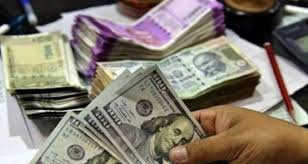
It’s basically India’s monthly ledger with the rest of the world. Every dollar we earn from selling software, exporting clothes, or getting money from NRIs – that’s inflow. Every dollar we spend on crude oil, gadgets, gold, or when foreign investors pull their cash out – that’s outflow. When outflows win big time, you get a deficit. And this year, it hit $30.8 billion. This isn’t just a bad quarter, it’s a pattern that’s building up.
The current account part – which covers day-to-day trade and services – has been leaking for a while. We still buy way more stuff from outside than we sell. Oil is the big villain here. India gulps down over 85% of its crude from other countries, and whenever prices jump because of tensions in the Middle East or wherever, our import bill shoots up. Add gold, electronics, and chemicals to that list, and suddenly you’re looking at monthly trade deficits touching $25-35 billion sometimes. Sure, our IT guys and BPO folks bring in good dollars, and families get support from remittances sent by relatives in Dubai or America. But it’s not enough to cover the gap this time around.
Then there’s the capital side of things. This is where foreign portfolio investors – the FIIs who park money in our stock market for quick gains – have been heading for the exit. Some months they sold more than they bought, running into lakhs of crores. Why? Global uncertainties, higher interest rates in America, election jitters elsewhere, and even some policy tweaks back home that made them nervous. Net foreign direct investment, the longer-term money for factories and all, has also slowed in patches. On top of that, Indian companies and even some rich individuals are investing more overseas – buying properties, expanding businesses in Europe or Southeast Asia. All these dollars heading out add up fast.
When the rupee weakens because of this outflow pressure, everything imported becomes costly. Petrol, diesel, cooking gas, even the raw materials for local factories – it all trickles down to you and me. Prices in the kirana store go up a bit, transport costs rise, and suddenly inflation isn’t just a headline, it’s your monthly budget headache.
The government is concerned because this isn’t sustainable long term. They’ve been pushing hard for “Make in India” and self-reliance. They want factories humming here, exports booming, and steady foreign money coming in for the long haul. But when dollars are rushing out like this, it creates doubt. The RBI has to step in sometimes, selling dollars from our reserves to keep the rupee from falling too fast. It affects everything – from how much the government can borrow, to interest rates for home loans, to the confidence of investors watching from Singapore or New York.
Think about the bigger ripple effects. Stock markets get shaky when FIIs sell. Companies find it harder or costlier to raise money abroad. Exporters might get a little relief from a weaker rupee because their dollars convert to more rupees, but importers and middle-class families feel the pinch more. Students planning to study in Canada or Australia see their education costs jump. Even gold prices, which so many Indians love for weddings and investments, become volatile.
In the first few quarters of the year, the current account deficit was already building – one quarter alone around $12 billion or so. Capital flows turned negative at times. Global factors didn’t help: sticky oil prices, trade tensions between big economies, and slower growth in some markets where we sell our stuff. But honestly, some of it is homegrown too. We need to fix structural issues – like making it easier and more profitable to manufacture and export high-value items instead of just raw materials or low-end goods.
On the brighter side, it’s not all gloom. Our services exports are still a powerhouse. Software, digital services, consultancy – these keep bringing in solid dollars year after year. Remittances from Indians working abroad have been steady, supporting consumption back home. And let’s not forget, India’s overall economy is still growing. We have a huge young population, digital boom, and improving infrastructure. This deficit is a warning light, not a crash.
What’s the government doing? From what I hear in circles, they’re trying to juice up exports with production-linked incentives, striking better trade agreements, and making regulations smoother so genuine investors feel welcome. RBI is watching the forex market closely – sometimes intervening, sometimes using other tools like currency swaps. They know they can’t let the rupee go into freefall. Economists I respect say we might see the current account deficit around 1.2-1.5% of GDP this year if things don’t improve. Manageable, but needs attention.
Talking to people on the ground makes it real. A garment exporter friend from Noida told me, “Dollar strong hone se buyer thoda pareshan hai, lekin hum bhi adjust kar rahe hain.” Small businesses are adapting, but it’s tough. Farmers feel it indirectly through higher diesel costs for pumps and transport. Homemakers see it in grocery bills.
India has handled worse – remember 2013 when the rupee tanked, or the COVID shocks. We came out stronger each time because of smart moves and our inherent resilience. But ignoring this $30.8 billion deficit would be silly. It’s time to double down on boosting local manufacturing, cutting unnecessary imports where we can, attracting quality long-term investment, and improving our export quality and competitiveness.
For all of us normal folks, staying aware helps. Support policies that create real jobs and self-reliance. Maybe think twice before splurging on imported luxuries if possible. And keep an eye on how the rupee moves – it affects your savings, loans, and future plans.
This whole situation is about confidence at the end of the day. Confidence that India is a solid bet. When too many dollars leave, it shows some hesitation. The government and RBI need to rebuild that trust through consistent, investor-friendly steps. Global winds will always blow – oil politics, US policies, China factors – but we control our own house.
I truly believe we’ve got what it takes. Talent, market size, ambition – it’s all here. This deficit should be a push to fix things faster, not a reason to panic. Let’s hope the coming months bring better numbers as new policies kick in and global conditions ease a bit.
Sources:
- Reserve Bank of India’s official Balance of Payments data releases for 2025-26
- Reports from The Economic Times, Business Standard, and Reuters on quarterly figures
- Insights from economic surveys and expert columns in financial papers
- Conversations with local business folks and bankers in the Delhi-NCR region for the ground feel