
On May 28, 2026, Chief Minister Siddaramaiah walked up and handed in his resignation to the Governor’s office. He said it simply and clearly: “I resign, up to high command now.” No long explanations, no drama. But here’s the thing – this doesn’t mean everything is settled. A lot of people are assuming DK Shivakumar will take over as the next chief minister, but the post isn’t his yet. The real decision still sits with the Congress high command in Delhi, and until they speak, the whole state stays on this cliffhanger.
These transitions usually go – there’s the official side everyone sees, and then the real human currents running underneath.
It started quietly that morning at Siddaramaiah’s residence. The cabinet ministers had gathered for what they probably thought was a regular meeting. Instead, he looked at them and said he was stepping down because the high command wanted it. Just like that. Calm, straightforward, the mark of a man who has spent decades in this line. After breakfast, he went over to Lok Bhavan and gave the resignation letter to the special secretary. The Governor, Thaawarchand Gehlot, was away in Indore, so the official acceptance is still pending, but we all know these things pick up speed fast once the letter is in.
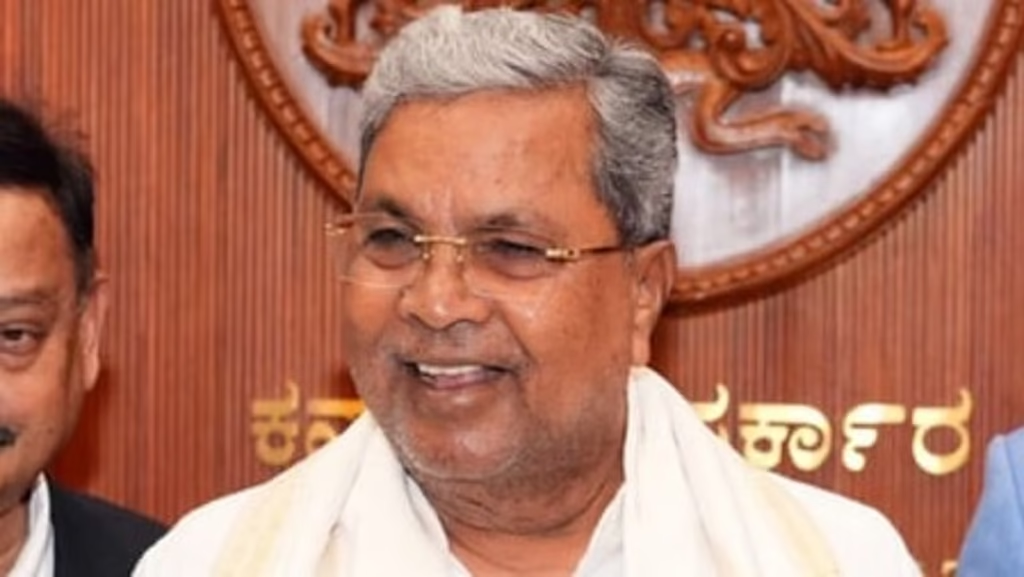
At the press conference afterwards, Siddaramaiah stood there steady as ever. DK Shivakumar was right next to him. How much it meant to Shivakumar – he got emotional and even touched Siddaramaiah’s feet, that old gesture of respect that still carries weight. When reporters asked who would replace him, Siddaramaiah didn’t name anyone. He just said the high command and the Congress Legislative Party would decide. The party people kept saying “Yesterday, today, forever” to show unity, but you could feel the undercurrents. These moments are never as simple as they look on TV.
Siddaramaiah’s story is one of those that reminds you why politics matters to regular people. He didn’t start at the top. He came through socialist work and grew into a leader who really spoke for the AHINDA groups – backward classes, minorities, Dalits. He was chief minister once before, from 2013 to 2018, then fought back after losses and helped Congress win big in 2023. He’s been one of the longest-serving in that chair, and his government put real effort into schemes that touched homes.
He’s around 76 now, and yes, questions came up about his age and health. But he’s always said he feels strong and wants to keep working in Karnataka politics. He turned down a Rajya Sabha seat because he wants to stay close to the ground, especially in his Varuna area. In his words, he entered politics almost by accident, but he stayed through all the twists – changing parties when he needed to, facing tough elections, building his base step by step. Even with this resignation, he’s made it clear he’s not walking away completely. He’ll still be around, advising, influencing from within the state.
Now, DK Shivakumar is the name on everyone’s lips for obvious reasons. He’s built his strength among Vokkaligas in the Old Mysuru region. He worked hard to put the Congress organization back on its feet when times were bad, and that effort helped deliver the 2023 victory. As deputy chief minister, he handled big departments like irrigation and showed he can manage tough situations. The understanding between him and Siddaramaiah was always power-sharing – Siddaramaiah for the first half, then the shift.
But don’t think it’s wrapped up. The high command still decides. Some MLAs are pushing strongly for Shivakumar, while others worry about keeping the right balance between different communities and regions. Siddaramaiah’s support among AHINDA voters runs deep, and bringing that together with Shivakumar’s base takes real care. That’s why we’re still waiting. Nothing is automatic here.
This change comes at an important time. Congress wants to stay solid going into the 2028 elections. It’s not enough to just talk against BJP – people care about jobs, what’s happening with farmers, and whether development actually reaches them. A few small protests started in places where Siddaramaiah has strong followers. Some felt he was pushed out too soon. But people inside the party say this was planned to keep everyone together and moving forward.
When you look at Siddaramaiah’s time, it leaves a mixed picture, like most leaders. People who support him remember the push for social justice. Others point to governance problems and family controversies. Either way, his leaving closes one chapter, but his voice and experience won’t disappear from Karnataka politics.
If Shivakumar steps in, he’ll have work waiting immediately. Handling a big cabinet with all its personalities, delivering on promises that are still pending, and keeping the party strong. His organizational skills will help, but he’ll also need to bring Siddaramaiah’s loyalists fully on board. That’s never easy, but it’s necessary.
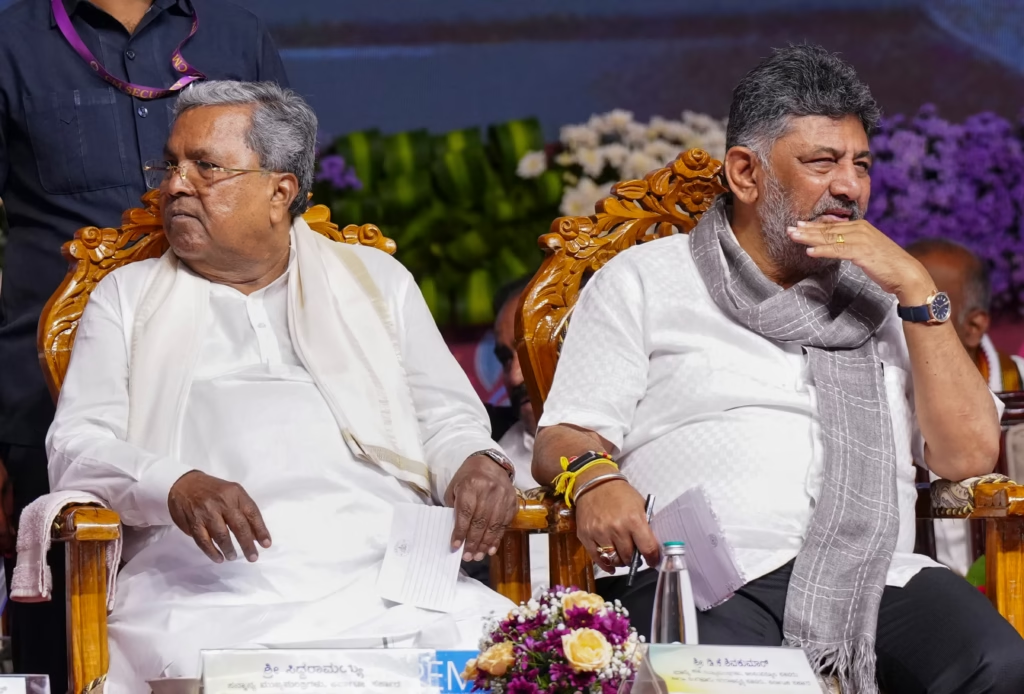
What stays with me most is how human this all feels. These two men have shared years of work, ups and downs, cooperation and competition. Seeing Shivakumar show that respect yesterday wasn’t just for cameras – it came from real history between them. That’s how politics works in our country. It mixes the personal with the big decisions that affect everyone.
A retired bureaucrat friend I spoke with put it well. He said Siddaramaiah left with dignity, and that’s rarer than it should be these days. Journalists who cover this beat often say Karnataka handovers always have some suspense, even the planned ones. Right now, the government keeps running. Files are moving, schemes continue, but everyone’s eyes have turned to Delhi and Raj Bhavan.
Whatever the high command decides will matter beyond just who sits in the chief minister’s chair. It will shape how Congress positions itself in the south. We’re all wondering if the swearing-in will happen soon or if there will be more adjustments. Those answers are coming from the meetings happening now.
Siddaramaiah stepping down doesn’t erase what he contributed. The next person will have to build on the welfare side while fixing where things slowed down and making sure the party stays united. In the end, people here will judge by real improvements – roads that work, schools that teach well, hospitals that help, and chances for families to grow.
This whole episode shows politics as it really is. Leaders make way when the party asks, but their stories and connections keep shaping what comes next. The cliffhanger is still here until Delhi gives the clear word. Karnataka moves forward with people we already know taking on new parts.
Sources:
Hindustan Times, The Hindu, Times of India, India Today, Deccan Chronicle, NDTV, and statements from the events and press conferences on May 28-29, 2026.