
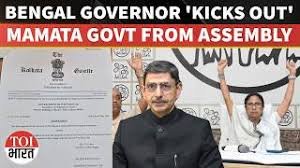
In West Bengal, it feels like the end of one very long chapter and the start of something entirely new. Governor R.N. Ravi has finally at official notice dissolved the state Legislative Assembly. Mamata Banerjee had been ownership, denying to resign even after her party got a solid horsewhip in the elections.
For 15 years, Didi (Mamata) has been the undisputed leader. She built her own party from scratch after leaving Congress, fought the Left, survived the Nandigram days, and became this larger-than-life figure for millions. Women’s schemes, minority outreach, Bengali pride – she had her loyal crowd. But this time people wanted change.
BJP crossed the majority comfortably with on every side 206-207 seats out of 294. TMC was left with just about 80. That’s not a small vanquish – it’s a landslide. Mamata herself lost from her own Bhabanipur seat to Suvendu Adhikari, her former close adjutant. Imagine that. The leader who once stood by her side and very closer at that era is now on the other team and beat her. Politics can be brutal like that.
After the results, Mamata didn’t take it lying down. She called the elections unfair, talked about “looted mandates,” voter list issues, violence, and all that. In front of the cameras, with her team around her, she said she won’t resign, won’t go to Raj Bhavan, and the fight continues. But constitutionally, once the term ends, things have to move forward.
That’s where Article 172 comes in. It’s straightforward – every assembly lasts five years from its first sitting, and when that time’s over, it dissolves automatically. The outgoing government can function as caretaker till the new one takes oath. No big drama needed, but the standoff made it tense. Governor Ravi stepped in and issued the order under Article 174, dissolving the assembly effective today. Short and clear notice. Mamata is no longer the full-fledged Chief Minister; the cabinet stands dissolved too. Caretaker mode now.
Bengal has been through a lot. Many people were fed up with the daily stories of political violence, syndicate culture, industries leaving the state, and young people struggling for jobs. The roads, hospitals, schools – complaints were piling up. BJP campaigned hard on development, safety, ending “family rule,” and bringing investment back. They tapped into that anger and hope for change.
On the other side, Mamata’s fans see her as the protector of Bengal’s soul – secular, artistic, defiant against the Centre. They worry a new government might change the cultural flavour or push agendas that don’t suit the state’s diverse mix. That fear is real for them. This loss hurts deep because it was their stronghold for so long.
Post-poll tensions are already there. Reports of attacks on workers from both camps, one sad incident with a BJP leader’s aide. Security forces are out in numbers. Kolkata, the districts, villages – everyone’s on edge. This transition won’t be easy or peaceful overnight. Hearts are still raw.
What Happens Next?
BJP is moving fast. They’re planning a legislative party meeting soon, probably tomorrow, with Amit Shah likely chairing it. Oath-taking around May 9, on Rabindra Jayanti – nice symbolic touch for Bengal. Names like Suvendu Adhikari are being talked about for CM. Modi and leaders from other BJP states are expected to come. It’ll be a big celebration for them. From just a handful of seats years ago to this sweeping win – it’s historic.
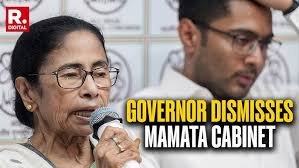
For TMC, this is a massive wake-up call. 15 years in power changes any party. They need to sit down, figure out where they went wrong – even in traditional areas and among communities that once backed them solidly. Internal questions will come up. But Mamata is still a strong mass leader with huge personal following. She’ll fight from the opposition, no doubt. Whether the party rebuilds stronger or cracks appear, only time will tell.
The Common Person’s View
You talk to the average Bengali – the teacher, the small shopkeeper, the student, the daily wage worker – and many are just tired. Tired of the same fights, the bandhs, the fear when going out, the lack of big opportunities. They want jobs for their kids, good hospitals, schools that actually work, industries coming back, and peace in the neighbourhoods. Identity and pride matter, but so does filling the stomach and feeling safe.
Whoever comes to power has a tough but beautiful job. Heal the wounds. Don’t go for revenge politics – that’s only made things worse before. Focus on real development that reaches Darjeeling’s hills, Purulia’s villages, Howrah’s bustle, and Kolkata’s thinkers. Bengal has given India so much – poets, scientists, reformers, dreamers. It deserves a government that matches that spirit.
The Governor did what the Constitution allows. No overreach, just closing the procedural loop when the term ended and there was this refusal to step down. No President’s Rule or anything extra. Clean enough, though emotionally messy.
People campaign with everything they have, families get divided, workers risk a lot. Mamata sitting defiant till the end shows her never-say-die attitude – love it or hate it, that’s her style. But accepting the people’s verdict is also part of the game. Governance isn’t personal empire; it’s about serving.
Let there be genuine progress. The real story isn’t just today’s dissolution – it’s what the next five years bring. Will we see a new Bengal rising with jobs, safety, and development? Or more of the old blame games?
Bengal is resilient. It has seen partitions, famines, political shifts, and still produced magic. This is just another turn in its long journey. Let’s watch how it unfolds, without blind hate or blind loyalty.
Sources:
- NDTV, India Today, Hindustan Times reports on Governor’s order and events
- The Hindu and Indian Express on election results and reactions
- Official Raj Bhavan notification details
- Constitution explanations for Articles 172 and 174
- Various ground reports on the mood in Bengal