
It’s May 2026, and things feel like they’re hanging by a thread—ceasefire holding but, ships trapped, gas prices up, and consul clamber through back channels. No one’s firing shots directly between the US and Iran since early April, but the tension is real, and the world is watching every word from Trump and Tehran.
The Latest from Trump on Iran’s Proposal
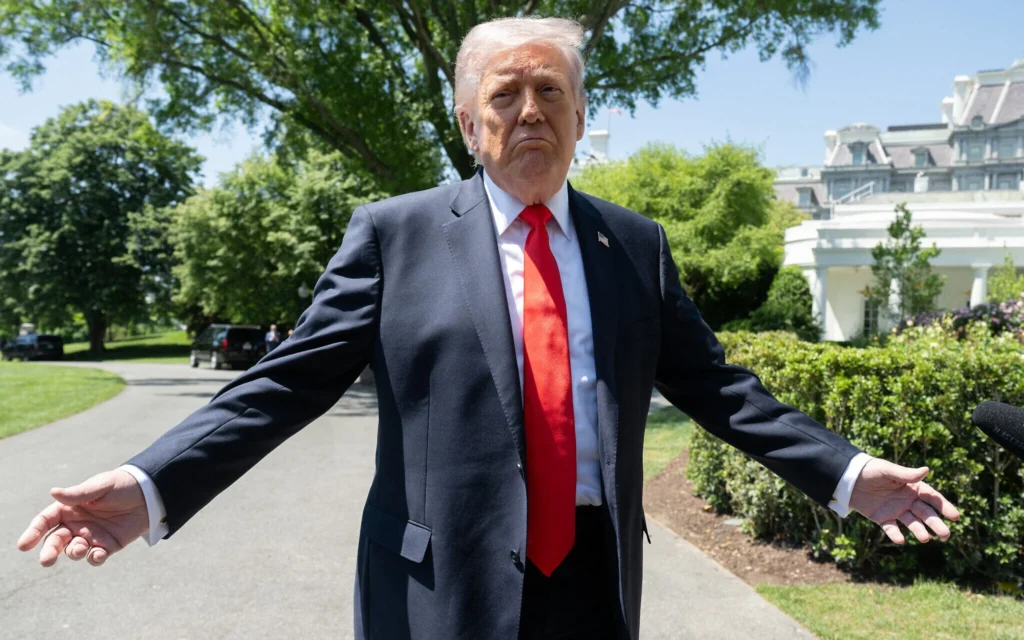
President Donald Trump came out yesterday and said straight up he’s “not satisfied” with the newest proposal Iran sent over through Pakistani mediators. He told reporters as he was heading out, “They want to make a deal, but I’m not satisfied with it, so we’ll see what happens.” He added that Iran has “made strides” but he’s not sure if they’ll ever get there on a real agreement.
Here’s what went down: Iran handed a revised proposal to Pakistan on Thursday night or Friday, aiming to break the deadlock. Pakistani officials confirmed they passed it along. The idea seems to be a multi-stage thing—first, ease up on hostilities and sort out shipping in the Persian Gulf and Strait of Hormuz, then maybe tackle bigger issues later. But the US side isn’t happy because, from what reports say, Iran wants to push the nuclear program talks down the road, after things calm down. Trump and his team insist the nuclear file has to be front and center from day one. No delaying that.
Trump even mentioned he canceled a trip by his envoys (folks like Jared Kushner and Steve Witkoff were apparently in the mix) to Pakistan, and boom—within minutes, a “much better” paper showed up from Iran. Still, he called it deficient. He lauded Pakistan for trying to intervene, saying phone talks are continuing, and that they have “great respect” for Pakistan’s efforts. But he’s keeping the pressure on: the US naval blockade stays in place until full navigation freedom returns to the Strait of Hormuz. Iran tried messing with shipping there in mid-April, and that’s caused real pain—oil flows disrupted, prices spiking.
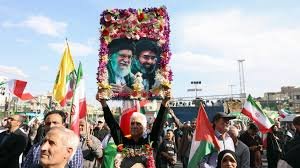
The war kicked off with US-led strikes back in late February 2026, part of what’s been called Operation Epic Fury, targeting Iran’s nuclear sites, missiles, air defenses, and navy. Israel’s involvement has been close, given the long shadow of threats from Tehran. A ceasefire started around April 7-8, mediated heavily by Pakistan, and it’s been extended a few times. No direct US-Iran gunfire since then, which is why things feel paused rather than over.
The War Powers Deadline and “Terminated” Hostilities
At the same time, there’s big news out of Washington on the legal side. The Trump administration is saying the war has basically been “terminated” for the purposes of the War Powers Resolution—that 1973 law that says a president can only keep US forces in hostilities for 60 days without Congress approving it (or a 30-day extension).
Defense Secretary Pete Hegseth and senior officials argue that because the ceasefire kicked in on April 7 and there’s been no exchange of fire with Iran since, the “hostilities” ended back then. So, no need for a congressional vote to extend things. A senior official put it unadorned: “For War Powers Resolution purposes, the condition that began on Saturday, February 28, have laid off.” Democrats are pushing back hard, calling it a stretch or even unconstitutional gamesmanship. Some Republicans are uneasy too, wanting clearer limits or approval. Trump himself has said past presidents ignored or challenged this law, calling it basically never followed.
This move lets the administration keep the blockade and any residual operations going without a fresh vote, at least in their view. Critics say it’s dodging accountability, especially with the human and economic costs mounting. The Pentagon has spent something like $25 billion so far, and American gas prices have climbed toward $4.30-$4.40 a gallon because of the disruptions. Trump keeps promising they’ll drop hard once this fully ends.
On the ground, the Strait of Hormuz is still the big choke point. Shipping traffic is way down—over 90% in some reports—and Iran’s economy is hurting after the hits to its military. But Tehran isn’t fully backing down. Iranian state media frames their proposal as a serious olive branch to reopen talks and lift the siege on their ports.
Broader Picture: Israel, Regional Fallout, and What’s Next
Israel has stayed deeply involved, with the original strikes tied to stopping Iran’s nuclear ambitions and proxy threats. The ceasefire has helped de-escalate direct blows, but trust is thin on all sides. No one wants this flaring back into full war—global markets can’t take it, and the human toll in the region is already heavy.
Public opinion in the US is shifting too. Polls mentioned in some coverage show a chunk of Americans (around 60% in one) thinking the action was a mistake without clearer congressional buy-in. Energy prices hurting families at the pump don’t help. Yet supporters argue it was necessary to kneecap a nuclear threat before it got worse.
Pakistan’s role as mediator stands out. They’ve hosted or facilitated talks, passed proposals, and kept lines open when direct contact stalled. Trump canceling the in-person envoy trip but keeping phone diplomacy alive shows how fragile and tactical this is—everyone testing the waters without committing too far.
What happens now? Trump says they’ll keep negotiating. Iran wants the beleaguerment eased and a phased approach. The nuclear issue remains the adherence point—Washington wants verifiable steps on enrichment and the program upfront; Tehran seems to want breathing room first. The ceasefire could hold or crumble if someone tests it in the Gulf.
It’s a classic high-stakes standoff: military pressure versus diplomatic haggling, with economic pain as the backdrop. No one “won” the shooting phase outright, but Iran’s capabilities took a serious hit. The question is whether this proposal round leads to a real breakthrough or just more back-and-forth.
These situations are never simple. Lives are affected—soldiers, civilians, families watching fuel costs and news of potential escalation. History shows these conflicts drag on until exhaustion or a big concession forces a deal.
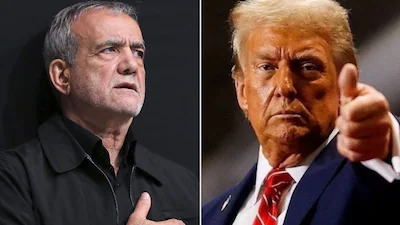
Trump’s tone—”not satisfied” but acknowledging they “want a deal”—leaves wiggle room. He’s predicted gas prices will tumble once it’s truly over. For now, the blockade continues, talks limp along by phone, and the world hopes the ceasefire doesn’t break.
Proposals like this often need multiple revisions before anyone signs off. The nuclear file, Hormuz shipping, and ending the formal shadow of war are the big tickets.
Sources:
- Reuters reports on Trump’s comments and Iranian proposal details
- IranWire on reasons for dissatisfaction (nuclear postponement)
- AP, CBS News, CNN, Al Jazeera, The Hindu live updates on the proposal and reactions
- Administration statements via AP, NBC, and War Powers interpretations
- Background from Times of Israel, The Guardian, Wikipedia summary of 2026 ceasefire events, and congressional debate coverage