
Prime Minister Narendra Modi stood up in the Lok Sabha during a special session and spoke straight from the heart about the Women’s Reservation and the much-talked-about Delimitation Bill. His message was clear and reassuring: “The Delimitation Bill will not do injustice to any State.” No north-south divide, no big state versus small state drama – everyone gets treated fairly. 
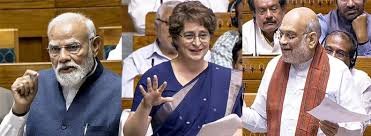
Whenever we talk about redrawing constituencies or giving more seats based on population, worries pop up, especially from southern states that have done great work controlling their population growth. People fear they might lose political voice. PM Modi directly addressed that fear. He said, with full responsibility, that this process won’t discriminate against anyone – big or small, north or south, east or west. The existing ratios and proportions won’t be disturbed unfairly. That’s a big promise, and it came at the right time. 
The Prime Minister said no one should remain under the illusion that they are giving something to the women of this country. Reservation in legislatures isn’t a favour or a gift from any government – it’s their right. We’ve delayed it for decades, and now it’s time to correct that historical wrong. He put it beautifully: “We should not live under the illusion or pride that we are giving anything to the Nari Shakti. This is their right.” It wasn’t political chest-thumping. It felt like a call to all of us to see women’s participation as natural justice, not charity. 
On April 16, 2026, the government introduced three key bills in this special session. One is a Constitution Amendment Bill that basically paves the way to increase the strength of Lok Sabha from 543 to around 850 seats. The idea is to make space for the 33% women’s reservation without shrinking anyone’s share. Another is the Delimitation Bill, 2026, which sets up a new commission to redraw boundaries using the latest available census figures in a fair manner. The third one handles Union Territories. The goal? Get the women’s quota rolling by the 2029 elections. 
PM Modi didn’t just reassure on delimitation. He offered the Opposition a “blank cheque” for credit. If they support it and want to take all the praise – put their photos on hoardings, claim it as their victory – he’s fine with that. He doesn’t want personal credit. He wants the bill to pass for the country’s sake. In a time when everything becomes us-versus-them, here was the PM saying, “Let’s get it done together.” 
Why does this matter so much? Think about it. India’s population has grown unevenly. Northern states have larger families on average, while southern ones invested in education, health, and family planning. If we simply go by current population without care, southern states worry their hard-earned progress gets punished with fewer seats. Modi addressed this head-on: “No State will be discriminated against.” He reminded everyone that India is one, not divided into parts. The delimitation will respect administrative realities, geography, and public convenience while ensuring fair representation. 
Opposition leaders raised valid concerns. Some called it a political move that could tilt power. Congress and others in the INDIA bloc said they would oppose if it harms federal balance. Leaders like M.K. Stalin and Revanth Reddy have been vocal about protecting southern interests. But the PM’s speech tried to calm those waters. He said the women of India are watching, and they won’t forgive anyone who blocks this reform out of narrow politics. 
For years, women’s reservation has been discussed. The 2023 Act gave 33% quota, but it was tied to delimitation after the next census. This new push wants to fast-track it. By expanding the House, we avoid snatching seats from existing MPs. More seats overall mean more women enter without displacing others immediately. It’s smart politics mixed with long-overdue social justice.
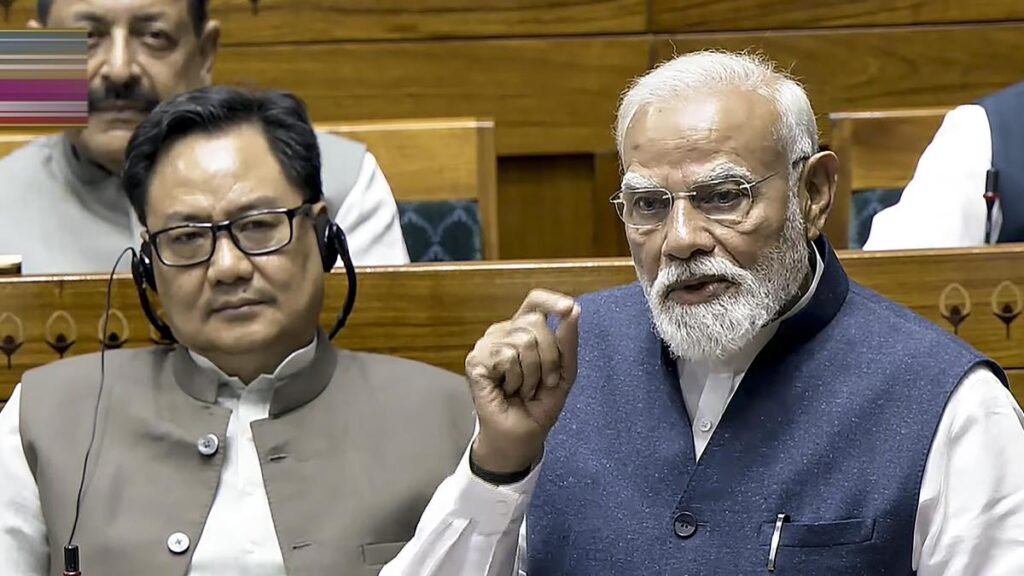
Imagine the Lok Sabha with hundreds more women lawmakers. Decisions on health, education, safety, and family welfare could change. Villages and towns might see policies that actually reflect the lived experiences of half the population. PM Modi called it a defining moment for Indian democracy – the “mother of democracy” finally giving her daughters their rightful place at the table.
Of course, challenges remain. How exactly will the Delimitation Commission work? Will it use 2011 data or fresher figures? How do we balance population with other factors like economic contribution or development indices? Some southern leaders have suggested hybrid models that consider GSDP along with population. These debates will continue, and they should. Healthy discussion strengthens democracy. 
But message from the PM was one of unity and assurance. No state loses out. The process will be transparent and just. And women aren’t being “granted” anything – they’re claiming what belongs to them.
Whether you’re from Tamil Nadu, Uttar Pradesh, Maharashtra, or the Northeast – this is about building a stronger, more inclusive Bharat. A Viksit Bharat where every voice counts, especially the ones that were sidelined for too long.
Whatever happens, today’s speech reminded us of something fundamental: politics isn’t just about power; it’s about correcting wrongs and walking together towards progress.
To every woman out there – your time is here. Not as a concession, but as a right long denied. And to every citizen worried about their state’s future – the highest office has given its word. Delimitation won’t do injustice. Let’s hold them to it and move forward as one nation.
Sources:
- The Hindu (multiple reports, April 16, 2026)
- Times of India
- Indian Express
- India Today
- Official Parliament proceedings and PMO references via public broadcasts.