
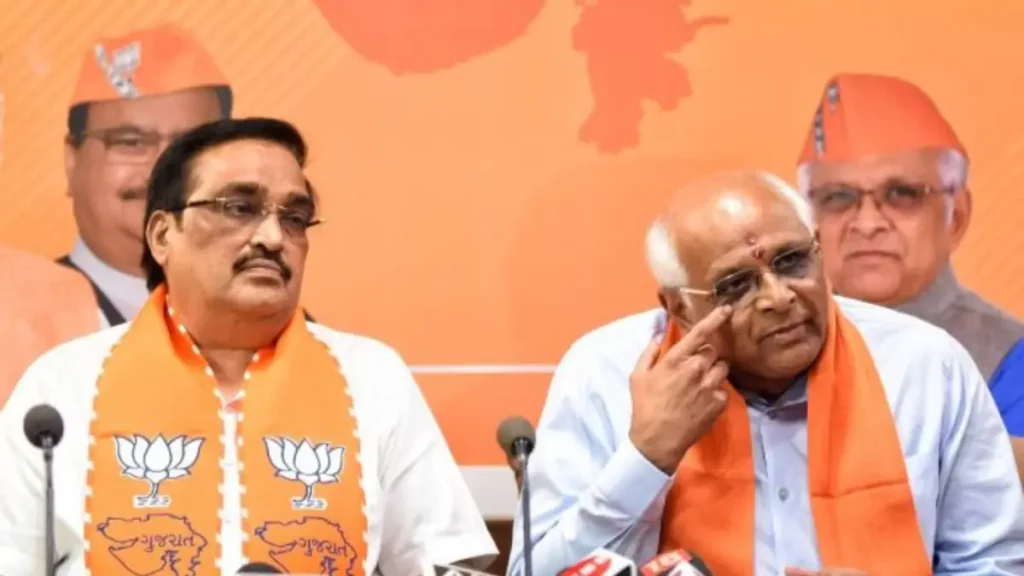
On 16th October 2025, the major cabinet ministers of Gujarat placed their resignations ahead of the upcoming political events in the state. Except for the chief minister of the state, Bhupendra Patel, as of now 16 resignations have been submitted to make way for a major reshuffle that the state government has scheduled for 17th October 2025. As per the news release, the new cabinet ministers will be announced on 17th October 2025 and the oath ceremony will take place the same day at the Mahatma Mandir in Gandhi agar, Gujarat. It is anticipated that state and national party leaders will be present at the ceremony. According to officials, the governor will administer the oath during the formal event.
Why did the minister resign now?
National media reports have consistently reported that 16 ministers, except the chief minister, have resigned. Party insiders are declaring the move as a regular but extensive overhaul intended to refresh the group, enhance administrative efficiency, and adapt to shifting political priorities. Such reshuffles, according to audience, frequently occur following organizational changes within a party or before significant local elections. Gujarat’s assembly size allows the government to expand the cabinet to roughly 26–27 ministers. This gives the party room to add fresh faces and make sure different regions and communities are represented.
Who will be re-elected and who will be dropped?
As per sources, some ministers will be re-elected while other maybe dropped to appoint new and fresh leaders. A “no-repeat” strategy might be applied in a number of seats, which would mean that certain ministers who serve out their terms might be replaced. Though the final names won’t be known until after the formal induction, there has also been discussion about bringing back some positions or coming up with new combinations to reflect caste and regional equations. There is also talk of changing the government’s structure a little for example, bringing back or creating senior posts (like a deputy chief minister) or reworking who gets which department. These moves usually aim to balance regional and community representation, so different parts of the state and different social groups feel included.
What could be the reasoning behind this resignation?
- A new team and leader give voters the impression that the government is fresh and vibrant. Before local elections or other significant political events, the party can demonstrate its commitment to improving work and resolving issues by adding new members or switching up portfolios.
- Reshuffles assist in party management. They can promote newly hired leaders, reward devoted employees, and dismiss or replace underperforming ministers. Parties occasionally adopt the “no-repeat” policy, which rotates ministers to give more people an opportunity to serve. This keeps the team motivated and lessens power concentration.
- Last but not least, this re-appointment enables the party to strike a balance between social and regional representation, ensuring that various communities and areas feel represented. To put it briefly, the reshuffle is intended to improve governance for citizens, manage party needs, improve performance, and revitalize the government’s image.
How are the people and opposition reacting to the resignation?
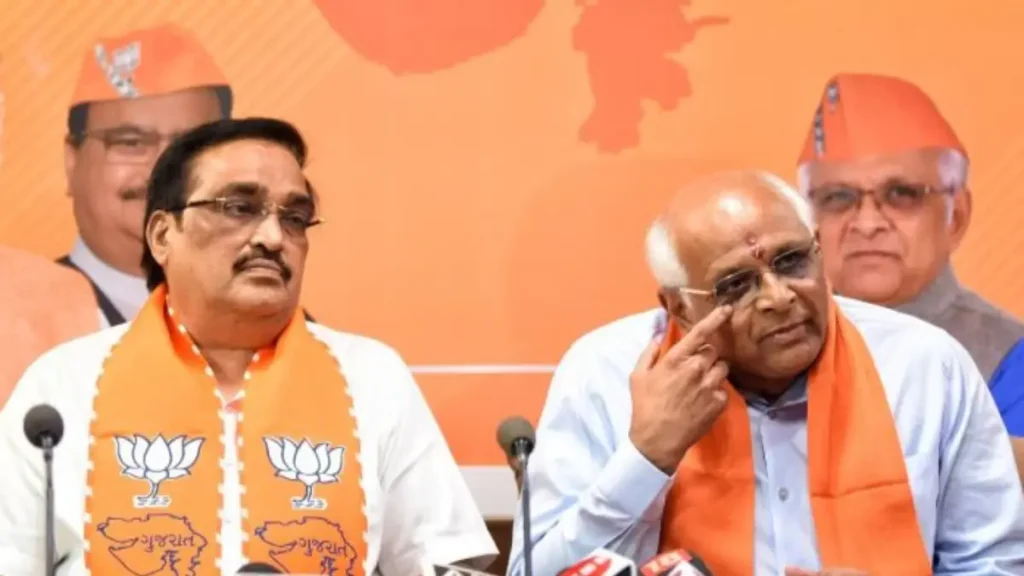
Reactions were rapid and varied. The ruling party’s leaders claimed that the resignations were routine and planned, a means of uplifting the administration and infusing it with new energies and faces. They informed reporters that the change is intended to increase team effectiveness and enhance work on the ground. However, the opposition parties had different responses. They requested explicit justifications for selection and exclusion. The government should choose ministers based on their qualifications and public service, not just their political affiliation, according to opposition leaders and some public commentators.
Why this reshuffling and resignation matters?
A significant cabinet shuffling makes it pretty evident to both party workers and voters that the government is ready to demonstrate change and action. It shows that the party is willing to try new faces or ideas to address issues that people care about and that leaders are being held accountable. The reshuffle is an opportunity to fix what hasn’t worked for regular governance. Priority issues like roads, health, schools, and jobs can be brought into focus by redistributing departments, moving ministers, or creating new positions. Work can be completed more quickly and services can be improved if the right person is assigned to the right department.
Conclusion
A significant political and administrative change has occurred with the mass resignation of Gujarat’s ministers. Rebuilding the state’s leadership team to tackle present issues is more important than merely changing faces. Everyone is now eager to see who will join the chief minister’s team and what changes they will bring, as the new cabinet is scheduled to take the oath at Mahatma Mandir convention centre. How well the new ministers perform, whether they can meet development objectives, enhance governance, and address the needs of Gujarat’s citizens, all these parameters will determine whether this reshuffle of the ministers is truly successful.